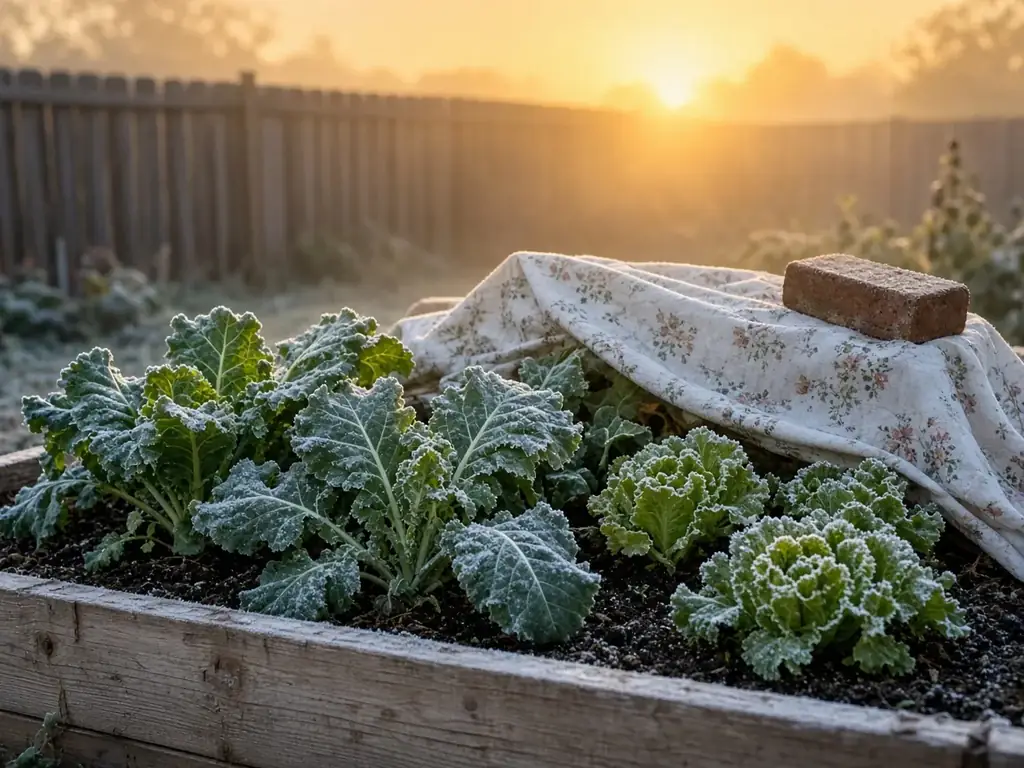
Your First Raised Bed: A Simple Start
 By Mai Calder · · 2 min read
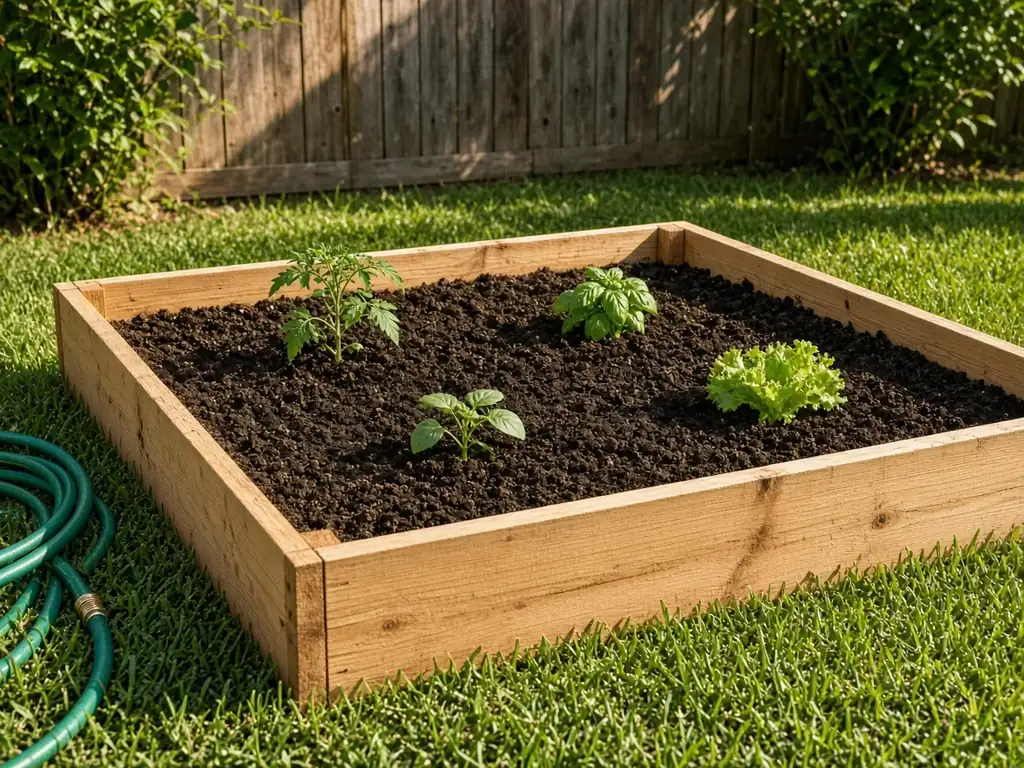
If your yard has hard clay, rocks or grass you'd rather not fight, a raised bed lets you skip all of it and start with good dirt.
Pick the sunniest spot
Most fruiting vegetables, like tomatoes, peppers and squash, need at least 6 to 8 hours of direct sun a day. Watch your yard for a day before you build. Leafy greens can manage with less.
Size it so you can reach the middle
About 4 feet wide is the common rule, so you can reach the center from either side without stepping in. Length is up to you. Aim for a depth of 8 to 12 inches for most vegetables.
Put it near the hose
You'll water more than you expect. A bed that's a long walk from the hose is a bed that gets skipped.
Fill it right
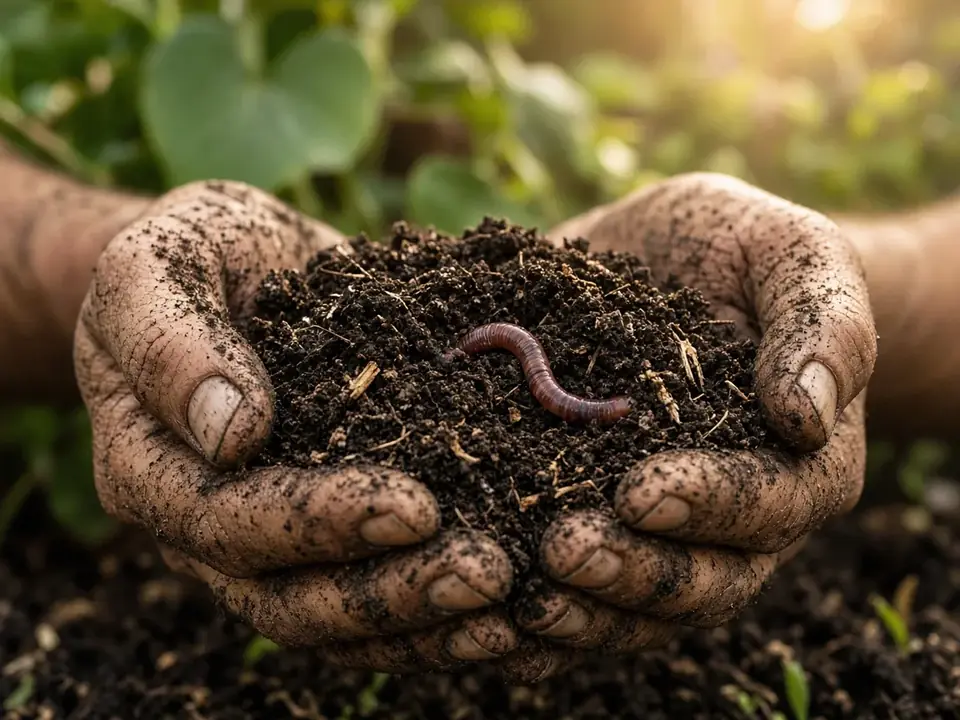
Use a blend of good topsoil and compost, not straight bagged potting mix or dirt from the yard. Many garden centers sell a "raised bed mix." Your local extension office can recommend a blend for your area.
Start small
One bed and a few plants you like to eat. Tomatoes, herbs and lettuce are a forgiving first lineup. Learn one bed well before you build three.
Before you plant
Check your zone and frost dates (see Start Here: Find Your Growing Zone and Frost Dates) so you plant at the right time for your area.
Local tip: Check with your county extension office.
Sources
- local extension office (extension.org)